

For years, we have looked at successful marketing campaigns and applauded them for getting it right. In fact, the previous featured article on our website spoke about a few successful campaigns that owed their success to the use of extensive market research. But where there are bouquets, can brickbats be far behind? A very common phrase seen on social media today is ‘epic fail’. Merriam-Webster defines an epic fail as “a notable, obvious, and usually public failure”.
And what could be more obvious and public than a global marketing campaign?
Over the years, there have been some epic fails too, for sure. The ones that make us wonder, “What were they thinking?”. This blog will attempt to look at a few such flops. The intent is not only to enjoy a good laugh at a large corporation making a fool of itself in full public view, but to also go a little deeper to try and understand what went wrong, and how it could have been done better.
Missing the Chemistry!
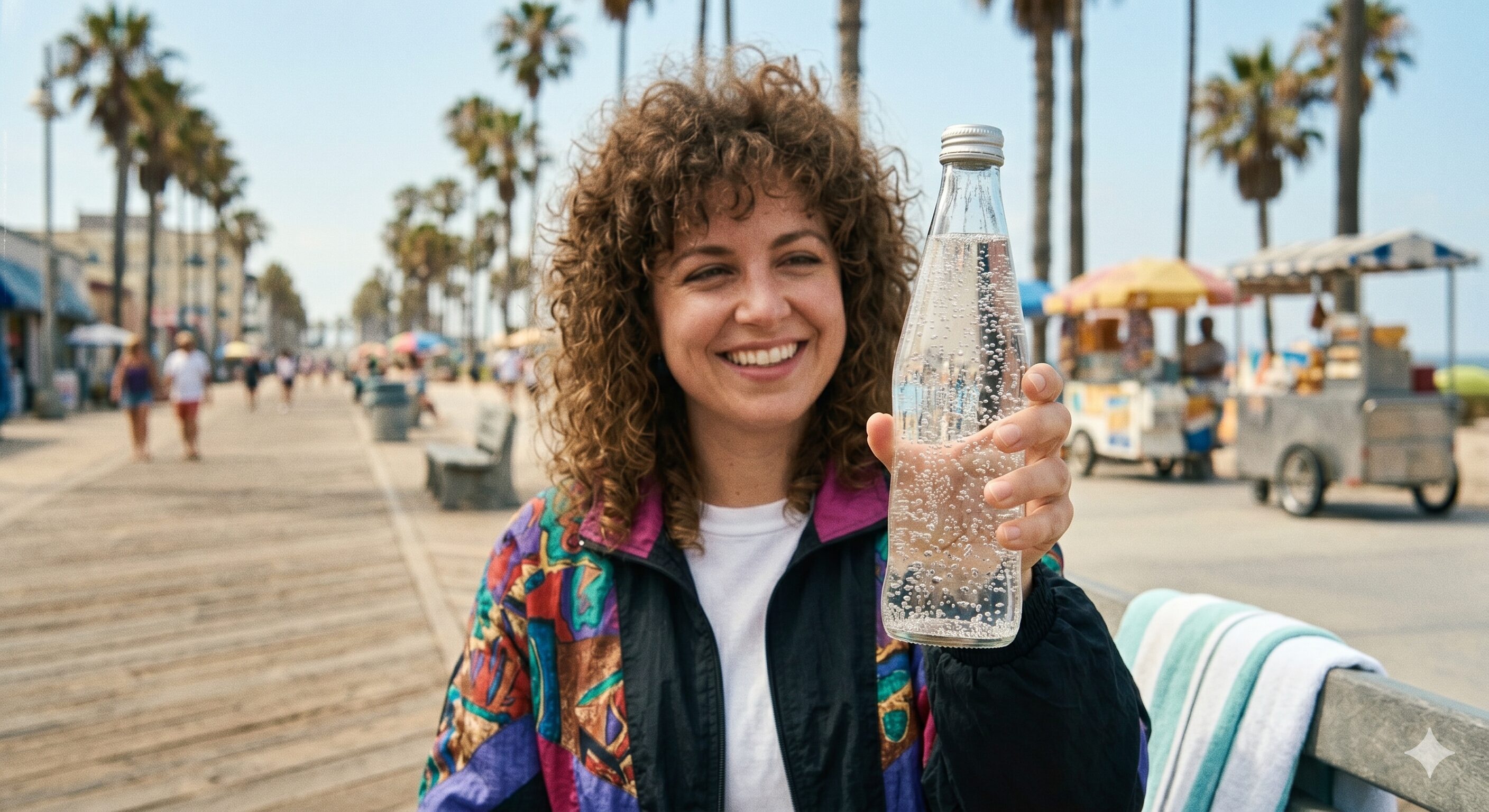
Despite the recent brouhaha over the damage supposedly done by a football star to a cola brand’s valuation, no one can deny that colas are right up there at the top of the FMCG stack. This 2019 article, for instance, lists Pepsi and Coke among the top ten fastest growing brands worldwide. Having that said, for almost three decades, an expert marketer like Pepsi has had to live with the embarrassment of a high profile (and costly) campaign that fizzled out in months. The brand was Crystal Pepsi, which was inspired by a caffeine-free health fad and the successes of clear fizzy drinks. But, but, but…
- It looked different, but tasted almost like the dark colored Pepsi, and no explanation for the move to clear liquid was provided to the consumer.
- The initial focus groups gave good feedback, but Pepsi didn’t repeat them long enough, for a spread that was representative enough. They were in a hurry to roll out the new product in time for the 1993 Super Bowl, and instead of the usual two to three years for a new product development, this product went national in the USA within 9 months of the first pitch.
- This gave little time to test the shelf life of the new product, and also to check how well it would stand up to being kept in sunlight. They didn’t bother to find out why 7-Up or Sprite are two clear drinks that are sold in green bottles.
- The final nail in the coffin was the launch of a dud product Tab Clear by the fierce competitor Coke, to ambush Crystal. Tab Clear was designed to fail, and pull Crystal down with it, in a classic example of a ‘born to die’ campaign.
Pardon my French (Fries)!
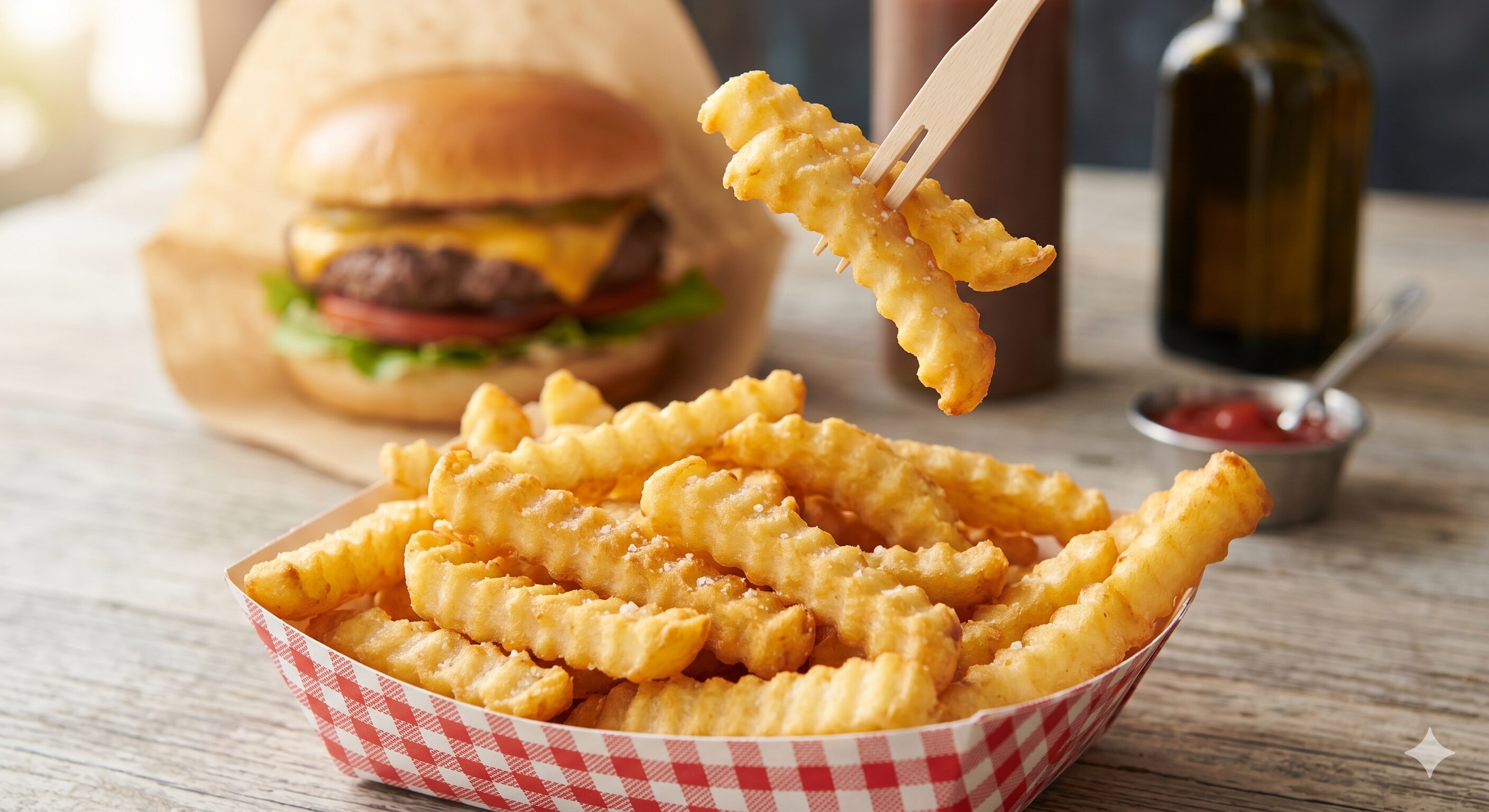
Twenty years after the ill conceived launch of Pepsi Crystal in 1993, the well known fast food chain Burger King suffered a similar embarrassment. For almost six decades since their launch in 1953, Burger King had rolled out a number of popular products, like the Whopper (1957), Chicken Tenders (1985), and the Big King (1997). Fast food chains have always had to battle the perception of being unhealthy and causing obesity, and this was probably the thought behind introducing a line of ‘healthy’ fries named Satisfries in 2013.
If there is a food category that is universally accepted as being unhealthy, it is fries, or whatever name people use around the world. So it could be argued that introducing Satisfries was a calculated risk that Burger King took to turn the narrative around. The only problem was that the idea fell flat on its face. It took just a year for the product to be yanked off shelves, forever. Here is what I think went wrong with Satisfries:
- I couldn’t find any evidence of serious research by Burger King to find out if their customers were actually looking for a healthier alternative to their traditional fries.
- They wanted to move away from their biggest rival McDonald’s and reach where a supposedly ‘healthy’ Mexican fast food brand called Chipotle was positioned. Satisfries fell with a thud somewhere between these two extremes, underscoring the importance of creating a brand persona and sticking to it, instead of trying to be everything for everyone.
- The product was widely perceived as overpriced, and rightly so. Satisfries set you back by $1.89, as compared to $1.59 for regular fries. If only Burger King could have done some more primary research to understand how much customers were willing to pay for a healthy alternative, a lot of time, effort and embarrassment could have been spared.
- Another fact that thorough research could have shown up was that consumption of potatoes in the USA had fallen to their lowest in 2012. Even ‘healthy’ fries introduced the next year could not have overcome the fear of carbohydrates.
That Smells Fishy!
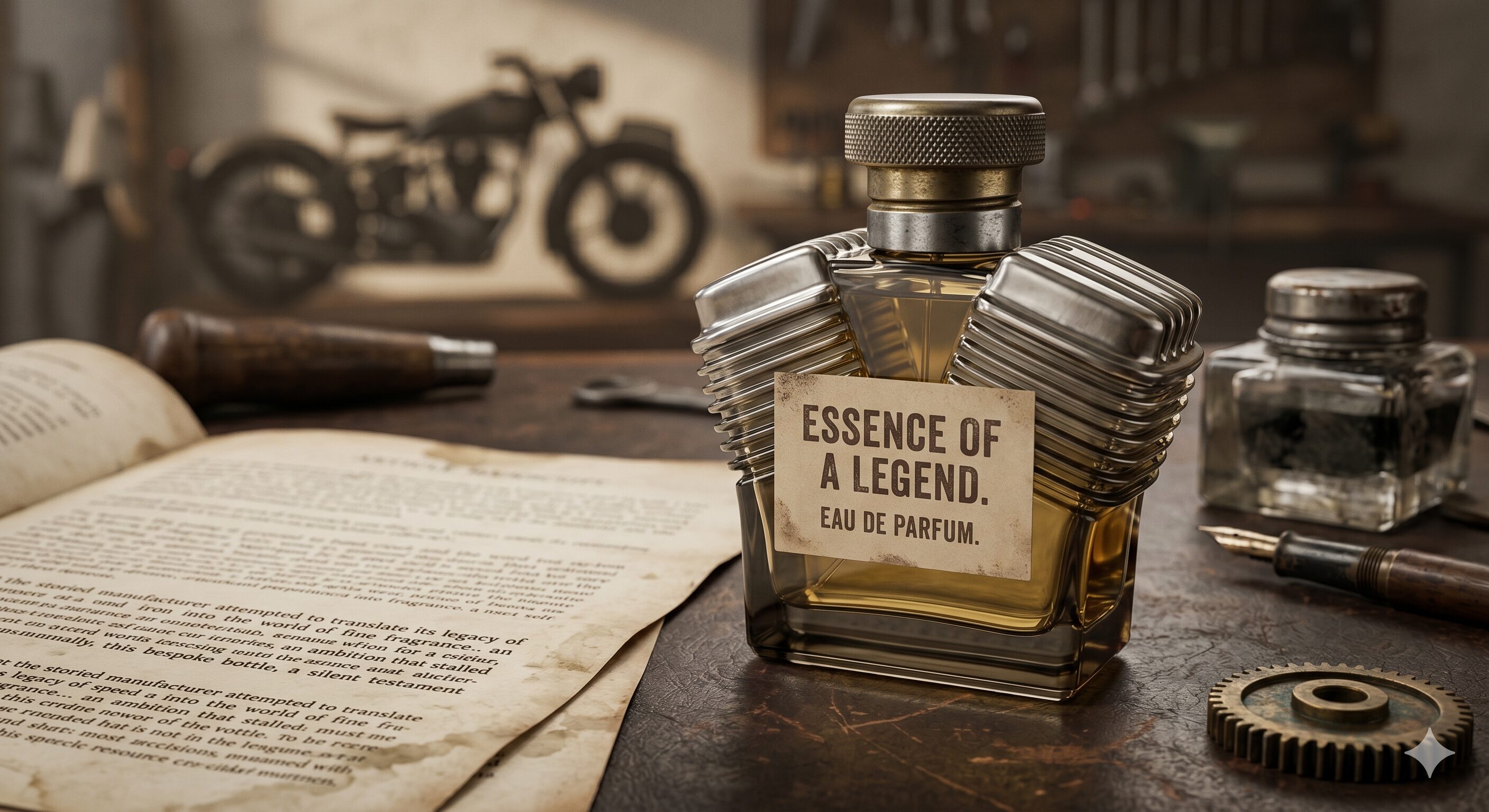
For close to 120 years, Harley Davidson has built an enviable brand persona with its motorcycles. This has allowed them to use their brand’s equity to offer a line of other merchandise like footwear, jeans, wallets, eyewear, and a range of other accessories. For several years now, motorcycle sales have brought in only 70 to 80% of the annual revenues. The merchandise mentioned earlier have contributed to more than 5% of the annual revenues, with the rest coming mainly from licensing and sale of spare parts. The 5% might not look too big, but it has an importance that goes beyond numbers. The jeans, shoes, and keyrings imprinted with the Harley Davidson name and logo go a long way in evoking a sense of belonging and pride among Harley Davidson owners, who call themselves the Harley HOGs.
In 1996, the company decided to extend this successful line of products by venturing into perfumes and colognes. Yes, you heard that right. A brand which is associated with ruggedness, toughness, and a love for the outdoors wanted to sell perfumes which would not smell of roses, peaches, or even cologne. The Hot Road line of perfumes was supposed to have woody aromas with hints of tobacco. It is not clear how much market research was done, or even how many marketing dollars were burnt. But the Harley Owners Group did not exactly queue up to buy.
Better Safe Than Sorry!
All the examples quoted above were of big brands backed by deep pockets and a set of loyal customers. This allowed them to survive and even flourish despite these misadventures. All brands might not be so lucky. A deep understanding of the market and of the consumer is needed before a new launch of a brand or category extension.
Incomplete insight, as the saying goes, is a dangerous thing. Almost as dangerous, if not more, as having no insight at all. We, at Relevance Asia, would be happy to help make your brands relevant by providing the right insights, in the consumers’ own words!
About the Author:
Amitabha is presently based in Singapore, after having worked for two decades across multiple continents.
Rate this Insight

 (53 votes, average: 4.58 out of 5)
 Loading...