

DON’T MISS THE KEY COG!
For a consumer, it seems that advertising, promotional offers, and pricing of any product determine how well it does. This is also what a surprisingly large number of sales and marketing professionals think. These are all important factors in the overall offering, without a doubt. But every one of these factors need something else before it can be accurate and useful. That ‘something’ is market research.
It is market research that will help the marketing decide on the perfect mix of price, promotions, and advertisement. There are several examples of market research also encouraging the manufacturer/seller to make certain changes to the product. This is probably why the American physician Oliver Wendell Holmes said in a different context “A moment’s insight is sometimes worth a life’s experience”.
The purpose of this article is to tell a few stories. Success stories of how market research helped companies make the right decisions about their products.
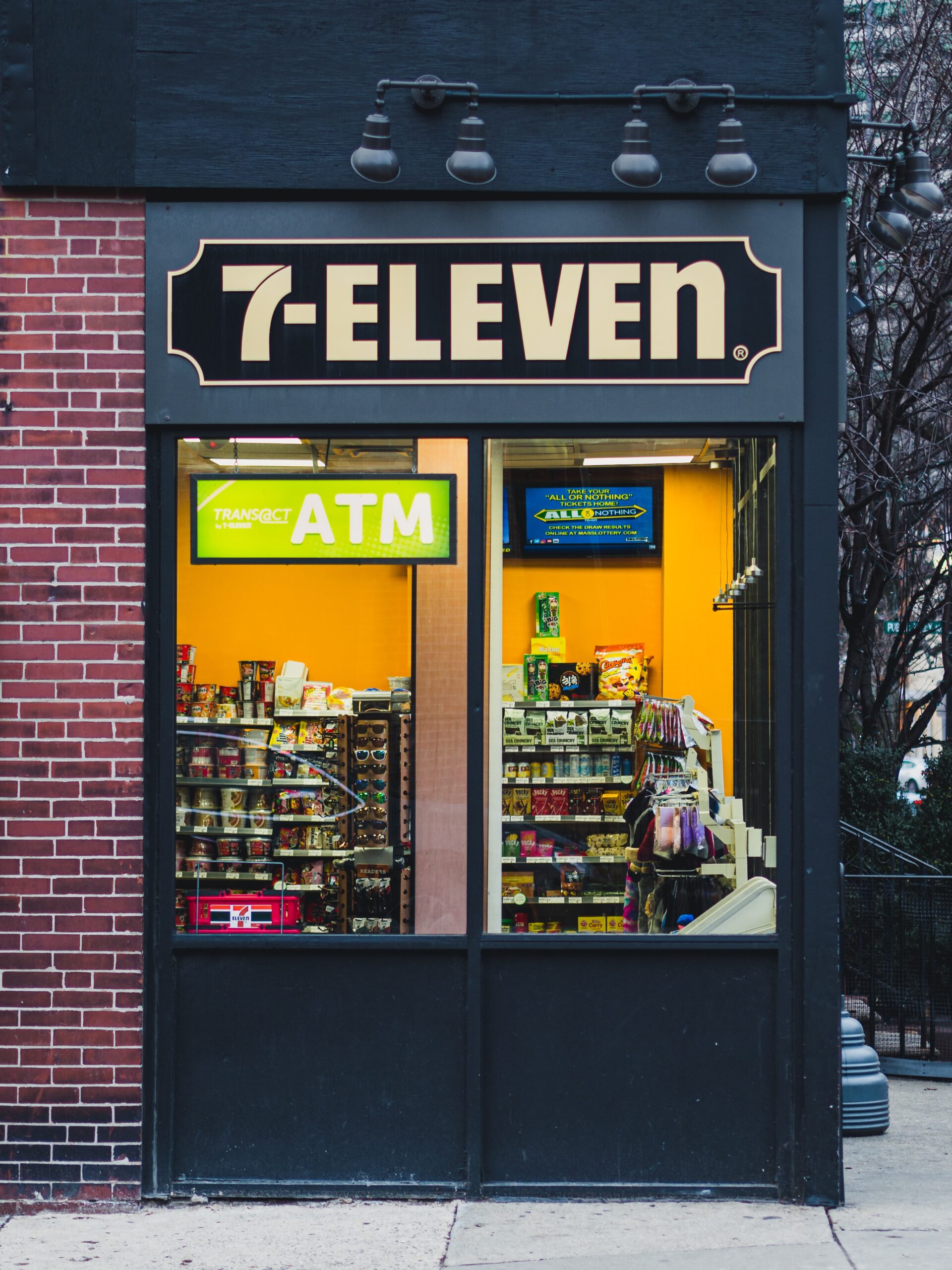
Around the world, a 7-11 store is a sight for sore eyes. That is because they promise to ‘give the customers what they want, when and where they want it’. They are credited with several firsts in the world of Food on the go (FoTG), like 24×7 open stores, self serve soda dispensers, and coffee-on-the-go cups.
This was the Foodservice category that 7-11 was interested in growing, and they engaged the services of an Australian market research company in 2014. The brief was threefold – to identify the needs, perceptions, and experiences of people who shopped at the FoTG sections of different 7-11 stores.
The MR agency used a combination of both qualitative and quantitative methodologies. They started off by looking at prior research about the FoTG sector. Next, they tried to list down the factors that impacted the perceptions and choices of 7-11 shoppers, both emotionally and rationally. The third stage was a quantitative assessment of the responses from 1,079 FoTG shoppers. The final stage was an ‘implementation workshop’ between client and agency.
The response was positive about the packaged FoTG foods, which many respondents admitted they used as meals. But many respondents also said they were not aware of ‘real’ food options available in 7-11. The responses also prompted the MR agency to recommend several changes in merchandising and promotionals. Here are some numbers after the suggested changes were implemented.
– Active brand consideration (ABC) for 7-11’s FoTG category was 44% in June 2014, and it went up to 59% by December 2014.
– In fact the ABC zoomed to ever highest 63% in January 2015.
– Overall sales figures and profits for the Foodservice category also increased sunbstantially.
L’OREAL
In 2012, L’Oreal set up their second factory in Mexico. At that time, this was the world’s largest hair color production unit. Mexico is part of what L’Oreal calls New Markets (basically, everything outside Western Europe and North America). The sales of the New Markets geographies have been consistently higher than both Western Europe and North America for over a decade at this point.
Around the same time, a quarter of Mexico’s population consisted of 15 to 25 year olds. L’Oreal estimated that by 2025, more than half of Mexico’s population would consist of what is referred to as the Millennial generation, meaning people who attained adulthood in the early part of the 21st century.
These facts and forecasts led L’Oreal to think about these future consumers of L’Oreal Mexico. They engaged the services of a highly reputed market research agency to align their communication and marketing strategy accordingly. The agency undertook a five stage research program involving students and young professionals in the age group 18-25.
Because of the age group targeted, the agency made extensive use of social media tools, to catch the respondents where they were mostly found. A special Facebook page was created for this project through which the agency interacted with the members. Specially selected millennials were invited to write blogs about beauty and health, which could give insights about what millennials think about these subjects. These aspects of primary research were supplemented by a study of research about millennials from Mexico and the world.

Source: hipwallpaper.com/
There was more to come. The agency hosted six focus groups and did eight immersions. For the focus groups, an anthropologist watched proceedings unobserved, while a psychologist facilitated the sessions. The immersions were done inside a house, at a concert, in a park, in a University, at a football game, at a party, in a digital media office, and in front of a graffiti mural outside a subway station.
Given that this study was about millennials, the results were shared with the client in an engaging and interactive ‘event’ instead of a corporate presentation. As can be expected, a number of useful insights emerged from this detailed study. Some of them are listed below, a few somewhat unexpected, that helped L’Oreal craft their strategy for the next decade:
1. Millennials love social media personalities but do not think much of other celebrities.
2. They prefer communication that is crisp and on point, since their attention spans are very low.
3. The connection was stronger with brands that had a brand personality, and communication that had a human touch.
4. Green marketing was a thing with Mexican millennials. They saw themselves as environmentally responsible citizens, and that impacted their behavior as consumers too.
ILGA
Source: https://ilga.org/
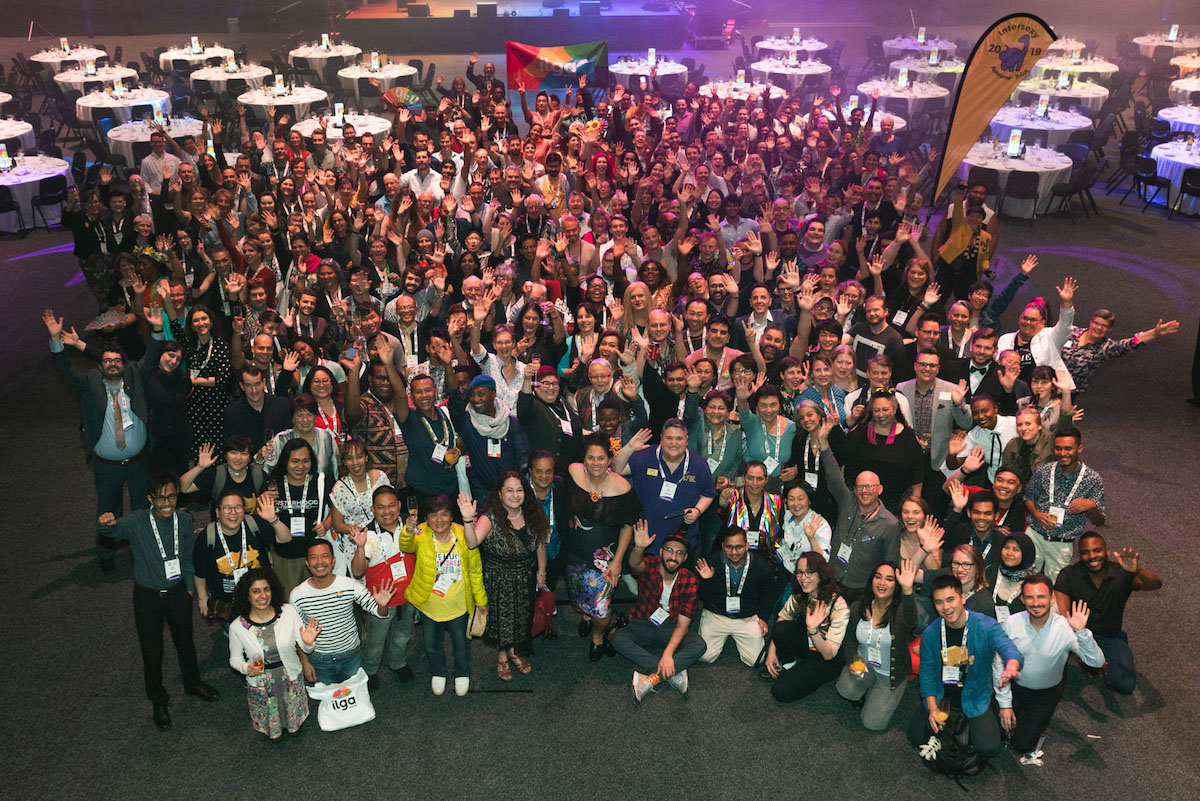
Since we are celebrating Pride Month globally, the last story of this article will talk about how market research helped ILGA (International Lesbian, Gay, Bisexual, Trans and Intersex Association) move the discussion away from the anecdotal to the factual. Before creating tools for gender advocacy and identity movements, they wanted to do some credible research. They engaged the services of a global agency that specialises in human sentiment data.
96,000 respondents across 65 countries were surveyed by the agency. The brief was to understand sentiments about homophobia and transphobia. The results took a year to be published, but the wait was worth it. This was a good example of a thorough market research showing that the ground reality was far from what had been assumed. Here are some of the insights ILGA gained as a result :
- Only a third of the respondents confirmed that their attitude towards the LGBTI community had become more favorable in the last 5 years. So there was still a lot of work to be done.
- 68% of respondents admitted that they would be upset that their child told them they were in love with someone of the same gender. And we thought people had become more inclusive.
- This one probably takes the cake. 41% of respondents from the Middle East and North Africa said that it was perfectly fine to fire employees on the basis of their gender preferences. Enough said!
More can be found out about this study, “The ILGA-RIWI Global Attitudes Survey”, here.
TO SUM IT UP
The internet is a vast repository of case studies that detail the useful insights that have been provided by rigorous market research. It is nobody’s case that market research can provide all the answers. Nor can it be truthfully claimed that only market research provides all the correct answers. The purpose of this article is only to underline the fact that market research is a vital part of any efforts made to gain insights about people, their thoughts and their behaviors.
.Rate this Insight

 (28 votes, average: 4.82 out of 5)
 Loading...